ServicesUSDA Loans
USDA Loans in Georgetown, TX
With a USDA home loan, eligible buyers can skip the down payment entirely. Two things have to line up: where the property sits and what the people living there earn. We confirm both early, spell out the guarantee fees in plain terms and stay with you through closing.
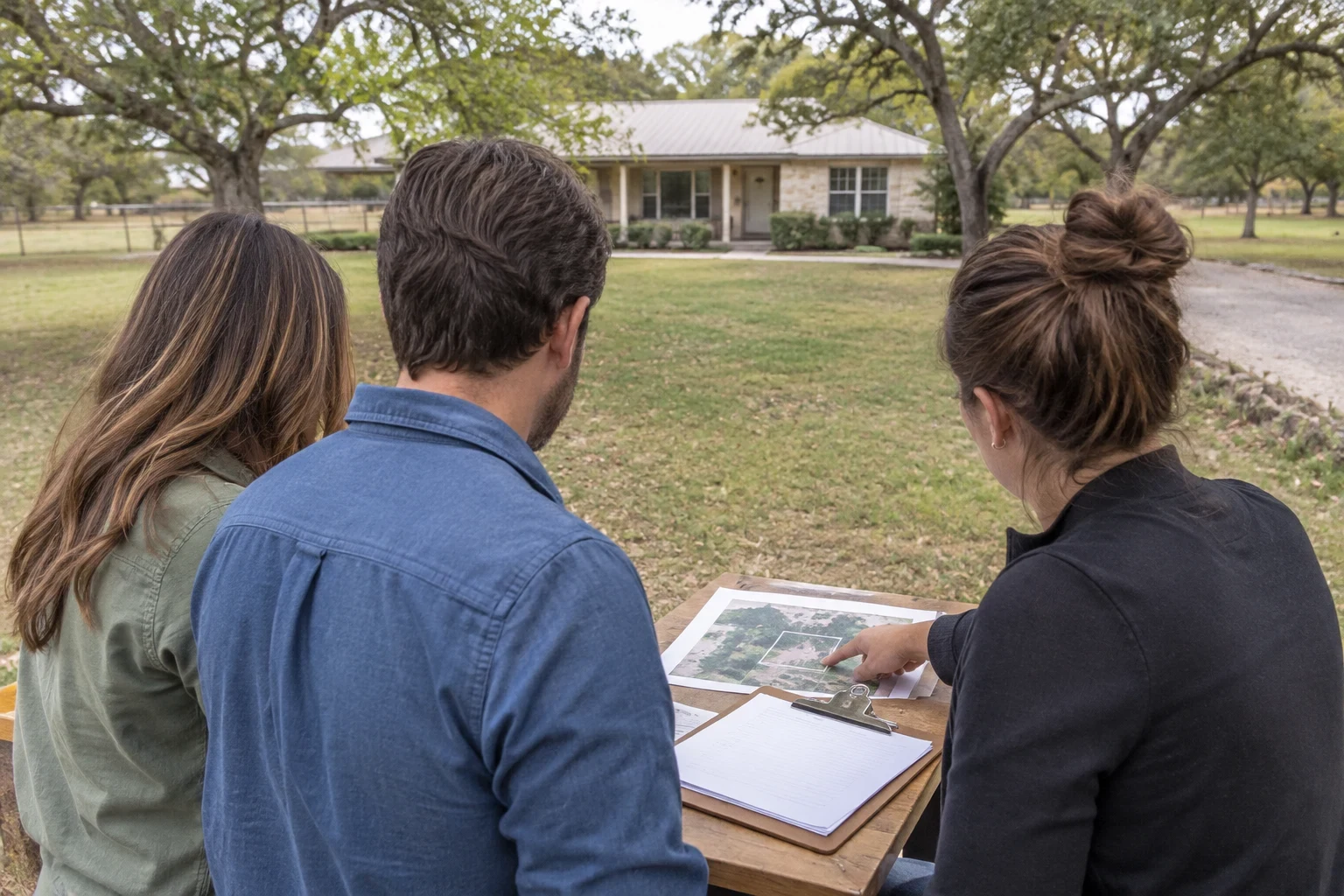
How USDA financing works and who it's for
A USDA guaranteed loan is a government-backed home loan aimed at buyers in less crowded areas. Because the government stands behind a share of the loan, lenders can offer it with nothing down and rates that often hold up well against other programs. You have to live in the property yourself; rentals and second places do not qualify.
Whether it fits you comes down to two checks. One is location. USDA keeps an eligibility map that gets revised from time to time, and around Georgetown a property can qualify while one a few minutes away does not. The other is income. USDA adds up what every adult living in the property earns, including anyone who is not borrowing, and compares that total with the limit for your county and family size.
Clear both checks and you may be able to buy years sooner than you planned. Miss one and we will say so plainly, then walk you through how an FHA loan or a conventional loan would look instead.
How we help with your USDA loan
- Eligibility lookup on any listing
- Pass along an address that catches your eye and we check it against the current USDA map. That answer comes before you spend time and money on an offer.
- Working through the income limit
- We total the income of everyone who will live in the property and set it beside the limit for your family size. Allowed deductions, such as dependents or child care costs, can lower the figure that counts, so we look for every one.
- From pre-qualification to pre-approval
- Our first call gives you a rough pre-qualification based on what you tell us. Once we review your paperwork, you get a pre-approval letter, which carries more weight with sellers and their agents.
- Fees shown before you commit
- Both the upfront guarantee fee and the annual fee appear on your loan estimate in writing. Nothing about them should surprise you at the closing table.
- Following the file through USDA
- After our underwriter signs off, USDA does its own review. We watch for its questions, answer them quickly and keep you and your agent posted on where things stand.
Signs USDA financing may suit you
Saving a down payment feels out of reach
Rent and daily bills leave little room to build a big cushion. Since USDA asks for nothing down, what you have saved can cover closing costs and reserves.
You are shopping the quieter edges of the area
Plenty of buyers look at newer neighborhoods and acreage farther from the center of the metro. A number of those properties land within USDA boundaries.
You earn a steady, middle-range paycheck
The program targets people with dependable income that sits below the high end. A two-year track record at work counts for a lot.
FHA mortgage insurance seems steep
The yearly USDA fee usually runs below FHA mortgage insurance. If you could qualify for either, that gap appears in every payment.
Your credit has a few dents
A flawless report is not required. Older problems that are settled and behind you can often be worked with.
What moves the price of USDA financing
Skipping the down payment does not make the loan cost-free. What you pay over time comes down to the guarantee fees, your rate and the usual closing costs. We list each item on a line-item loan estimate, so you can hold it up against any other offer you get.
The two guarantee fees
USDA charges an upfront fee that most buyers fold into the loan balance rather than paying in cash. A smaller annual fee is split into monthly pieces and stays for as long as you have the loan.
Credit, debts and rate lock timing
Your score, your monthly debts and market conditions on the day you lock all shape the rate. Over thirty years, even a slight difference adds up to real money.
Closing costs and seller contributions
Appraisal, title and lender charges apply just as they would on other loans. A seller can agree to cover part of them, and that request can be written into your offer.
Taxes and insurance in escrow
Property taxes in Texas run high, and they are collected monthly in escrow alongside your property insurance. For many buyers these two lines change the payment more than the rate does.
From first phone call to keys: the USDA steps
- 1
A conversation with a loan officer
We start by asking what you earn, what you have saved, how your credit looks and which part of the area you want to live in. When we hang up, you will know whether USDA is a realistic path or whether a different loan fits better.
- 2
Documents reviewed, letter issued
Next we gather proof of income, usually recent pay stubs along with W-2s or tax returns, and a couple of months of bank statements. Once those confirm you sit under the USDA income limit, we write the pre-approval letter you shop with.
- 3
Offer accepted, property checked
After a seller accepts your offer, an appraiser approved for USDA work confirms the value and looks at whether the property is safe and livable. Issues like an aging roof or stairs without handrails may need to be fixed before closing.
- 4
Two approvals in a row
Our underwriter reviews and clears your file, then USDA takes its own look. Because that second review adds time, we help you pick a closing date with room for it.
- 5
Final numbers and keys
We go over the closing figures with you line by line, you sign at the title company and the keys change hands. Before you leave, we make sure you know the date of your first payment.
USDA loan questions we hear often
Does anywhere in Georgetown qualify for a USDA loan?
Eligibility is set address by address, and the map is updated periodically. Some properties in the wider Georgetown area qualify and others do not. The quickest way to know is to give us the address and we will check it for you.
Why does my roommate's or adult child's income count?
USDA looks at the combined income of all adults living in the property when it applies the income limit. Only the borrowers' income is used to decide how much you can afford to borrow. It feels odd at first, but knowing this early keeps surprises out of underwriting.
Do I have to be a first-time buyer?
No. You generally cannot already own a suitable property in the same area, and the loan must be for the place you will live. Buyers who sold a previous property often qualify.
Can I use a USDA loan for new construction?
Yes, a completed new build in an eligible area can work well. The builder's timeline and the USDA review both need to line up, so we plan the closing date with your builder early.
What credit score do I need?
A score around 640 makes automated approval smoother. Below that, a manual review may still be possible with steady income, low debts and a clean recent payment history. We will look at your report with you and explain where you stand.

Find out if USDA works for you
Tell us the address you have in mind and a little about your income. We will check eligibility, explain the fees and start your pre-qualification during the same call.